Utilities
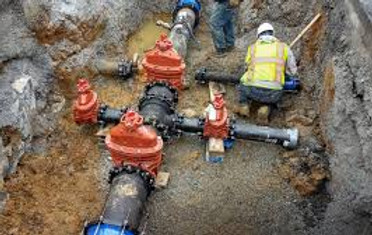
Installing utilities is a key part of site work and happens before buildings and paving are completed. It’s a coordinated, regulated process handled by licensed professionals to ensure safety, reliability, and compliance.
J316 Excavation is a certified contractor with SAWS, CPS Energy, City of San Antonio Public Works and several other municipalities. There are very strict requirements for experience, insurance and quality of work , bonding, and background checks to be a licensed contractor.
Planning and Coordination
Before any digging:
-
Review engineering plans and utility maps
-
Coordinate with utility providers (water, power, gas, telecom)
-
Identify existing underground lines (locate/mark services)
-
Schedule work so utilities don’t conflict with each other
This step prevents damage and service interruptions.
Surveying and Layout
The exact paths and elevations are marked:
-
Trench locations
-
Connection points
-
Required slopes (especially for sewer lines)
Accuracy is critical for proper flow and access.
Utility Line Installation
-
Different utilities are installed in a planned order:
-
Water lines: Supply potable water
-
Sanitary sewer: Carry wastewater away (gravity-based)
-
Storm drainage: Manage runoff
-
Gas lines: Installed and sealed by licensed crews
-
Electrical & communications: Placed in conduits
-
Each system has spacing and separation requirements.
Testing and Inspection
Before backfilling:
-
Pressure testing (water and gas)
-
Leak detection
-
Flow and slope verification
-
Inspections by authorities and utility companies
Nothing is covered until it passes inspection.
Final Connections and Activation
After construction progresses:
-
Utilities are tied into buildings
-
Systems are activated by providers
-
Final inspections confirm readiness
Permits and Approvals
Utility installation requires authorization:
-
Excavation and right-of-way permits
-
Utility company approvals
-
Health and safety compliance checks
-
Inspections scheduled in advance
Trenching and Excavation
Soil is carefully removed to create space for utilities:
-
Trenches are dug to designed depth and width
-
Temporary supports may be used for safety
-
Excavated material is stockpiled or removed
Work follows strict safety standards.
Connections and Appurtenances
Supporting components are added:
-
Valves, meters, and cleanouts
-
Manholes and access boxes
-
Transformers or service pedestals (where applicable)
These allow operation, maintenance, and future access.
Backfilling and Compaction
Once approved:
-
Trenches are filled in layers
-
Soil is compacted to prevent settlement
-
Surface is restored temporarily or permanently